Maximize Efficiency: Remote Monitoring for Lift Systems

In today's fast-paced world, efficiency is key to maintaining a competitive edge. For industries relying on lift systems, the ability to monitor these systems remotely can lead to significant improvements in operational efficiency, safety, and cost savings. Remote monitoring technology allows operators to keep an eye on lift performance, detect issues before they escalate, and optimize maintenance schedules. This blog post explores the benefits of remote monitoring for lift systems, how it works, and practical examples of its implementation.
Understanding Remote Monitoring
Remote monitoring refers to the use of technology to observe and manage equipment from a distance. In the context of lift systems, this involves using sensors and software to collect data on lift performance, usage patterns, and potential issues. This data is transmitted to a central system where it can be analyzed in real-time.
Key Components of Remote Monitoring
Sensors: These devices collect data on various parameters such as weight, speed, and operational status.
Data Transmission: Information gathered by sensors is sent to a cloud-based platform or local server.
Analytics Software: This software processes the data, providing insights and alerts based on predefined thresholds.
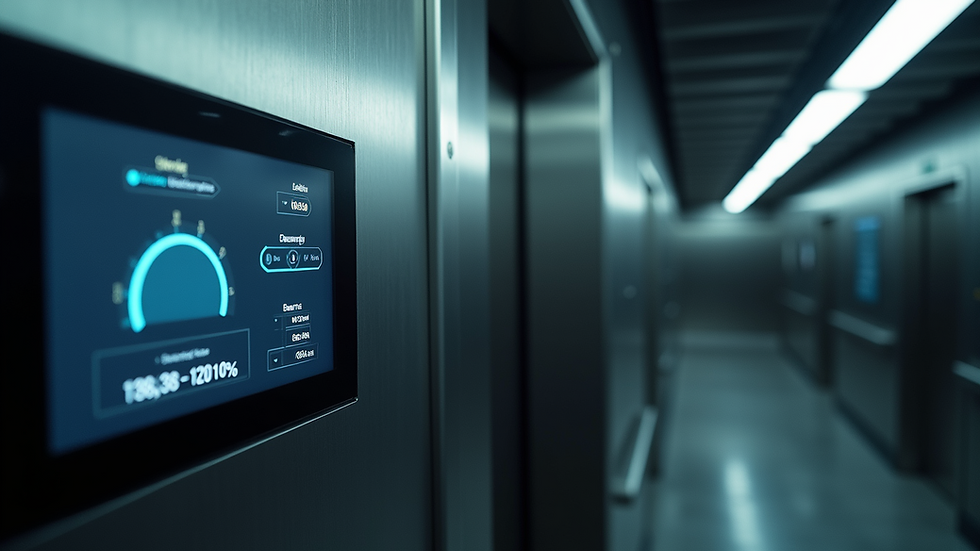
User Interface: Operators can access the monitoring system through dashboards, allowing them to visualize data and receive notifications.
Benefits of Remote Monitoring for Lift Systems
Improved Safety
Safety is paramount in any industry, especially when it comes to lift systems. Remote monitoring enhances safety by:
Real-Time Alerts: Operators receive immediate notifications of any anomalies, such as unusual vibrations or excessive weight loads.
Predictive Maintenance: By analyzing data trends, potential failures can be predicted and addressed before they lead to accidents.
Increased Efficiency
Remote monitoring contributes to operational efficiency in several ways:
Optimized Maintenance Schedules: Instead of following a fixed maintenance schedule, operators can perform maintenance based on actual usage and condition data.
Reduced Downtime: By identifying issues early, repairs can be made before they result in system failures, minimizing downtime.
Cost Savings
Implementing remote monitoring can lead to significant cost savings:
Lower Maintenance Costs: Predictive maintenance reduces the frequency of unnecessary inspections and repairs.
Energy Efficiency: Monitoring energy consumption can help identify inefficiencies, leading to reduced energy costs.
Enhanced User Experience
For businesses that rely on lift systems, providing a smooth user experience is crucial. Remote monitoring can enhance this experience by:
Monitoring Usage Patterns: Understanding peak usage times can help in optimizing lift availability.
Improving Response Times: Quick identification of issues allows for faster response and resolution, leading to higher customer satisfaction.
How Remote Monitoring Works in Lift Systems
Data Collection
The first step in remote monitoring is data collection. Sensors installed in lift systems gather information on various parameters, including:
Load Weight: Ensures that lifts are not overloaded.
Speed and Movement: Monitors the lift's operational speed and any irregular movements.
Door Operations: Tracks the functionality of doors to prevent malfunctions.
Data Transmission
Once collected, the data is transmitted to a central system. This can be done through:
Wired Connections: Directly connecting sensors to a local server.
Wireless Networks: Using Wi-Fi or cellular networks to send data to cloud-based platforms.
Data Analysis
The transmitted data is analyzed using specialized software. This analysis can include:
Trend Analysis: Identifying patterns over time to predict future performance.
Anomaly Detection: Flagging any unusual behavior that may indicate a problem.
User Interface
Operators can access the monitoring system through a user-friendly interface. This interface typically includes:
Dashboards: Visual representations of data, showing real-time performance metrics.
Alerts and Notifications: Immediate updates on any issues that require attention.
Practical Examples of Remote Monitoring in Lift Systems
Case Study 1: Urban High-Rise Building
In a high-rise building in a bustling urban area, the management team implemented a remote monitoring system for their lift systems. By using sensors to track usage patterns, they discovered that certain lifts were underutilized during off-peak hours.
Outcome: The team adjusted the lift scheduling, reducing wait times for residents and improving overall satisfaction.
Case Study 2: Manufacturing Facility
A manufacturing facility faced frequent lift breakdowns, leading to costly downtime. By integrating remote monitoring, they were able to track the lifts' operational data and identify that certain components were wearing out faster than expected.
Outcome: The facility implemented a predictive maintenance schedule, significantly reducing unexpected breakdowns and saving thousands in repair costs.
Challenges of Implementing Remote Monitoring
While the benefits of remote monitoring are clear, there are challenges to consider:
Initial Costs
The upfront investment in sensors, software, and installation can be significant. However, many businesses find that the long-term savings outweigh these initial costs.
Data Security
With the increase in data transmission comes the risk of cyber threats. Ensuring that data is securely transmitted and stored is crucial for protecting sensitive information.
Integration with Existing Systems
Integrating remote monitoring with existing lift systems can be complex. It is essential to work with experienced professionals to ensure a smooth transition.
Future Trends in Remote Monitoring for Lift Systems
As technology continues to evolve, so too will remote monitoring for lift systems. Some trends to watch include:
Artificial Intelligence: AI can enhance data analysis, providing deeper insights and more accurate predictions.
IoT Integration: The Internet of Things (IoT) will enable even more interconnected devices, leading to smarter lift systems.
Mobile Access: Increased mobile access will allow operators to monitor systems from anywhere, improving responsiveness.
Conclusion
Remote monitoring for lift systems is not just a trend; it is a necessary evolution in how we manage and maintain these critical systems. By improving safety, increasing efficiency, and providing cost savings, remote monitoring can transform the way businesses operate. As technology continues to advance, embracing these innovations will be key to staying competitive in the industry.

By investing in remote monitoring, businesses can not only enhance their lift systems but also improve overall operational effectiveness. The time to act is now—consider integrating remote monitoring into your lift systems to maximize efficiency and ensure a safer, more reliable experience for all users.


Comments