Reliable Remote Monitoring Solutions for Elevators

Elevators are essential components of modern buildings, providing convenience and accessibility. However, ensuring their smooth operation and safety is crucial. Traditional monitoring methods can be inefficient and reactive, often leading to unexpected downtime and costly repairs. This is where reliable remote monitoring solutions come into play. By leveraging technology, building managers can proactively manage elevator systems, ensuring safety and efficiency.
In this blog post, we will explore the various remote monitoring solutions available for elevators, their benefits, and how they can transform elevator maintenance and management.
Understanding Remote Monitoring Solutions
Remote monitoring solutions involve the use of technology to oversee and manage elevator systems from a distance. These systems collect data in real-time, allowing for immediate analysis and response. Key components of remote monitoring solutions include:
Sensors: Devices that collect data on various parameters such as temperature, vibration, and usage patterns.
Data Transmission: The process of sending collected data to a central system for analysis, often using IoT (Internet of Things) technology.
Analytics Software: Programs that analyze the data to identify trends, predict failures, and recommend maintenance actions.
Benefits of Remote Monitoring Solutions
Implementing remote monitoring solutions for elevators offers numerous advantages:
Proactive Maintenance: By monitoring performance data, building managers can identify potential issues before they escalate into major problems. This proactive approach reduces downtime and maintenance costs.
Enhanced Safety: Continuous monitoring ensures that any anomalies are detected and addressed promptly, improving the safety of elevator operations.
Data-Driven Decisions: Analytics provide insights into usage patterns, helping managers make informed decisions about upgrades, repairs, and resource allocation.
Cost Efficiency: Reducing unexpected breakdowns and optimizing maintenance schedules can lead to significant cost savings over time.
Improved User Experience: Reliable elevator performance enhances the overall experience for building occupants, leading to higher satisfaction levels.
Key Features of Effective Remote Monitoring Solutions
When selecting a remote monitoring solution for elevators, consider the following key features:
Real-Time Data Monitoring
The ability to monitor elevator performance in real-time is crucial. This feature allows for immediate detection of issues such as unusual vibrations or temperature fluctuations, enabling swift action.
Predictive Analytics
Advanced analytics can predict potential failures based on historical data and usage patterns. This predictive capability helps in scheduling maintenance before issues arise, minimizing downtime.
User-Friendly Interface
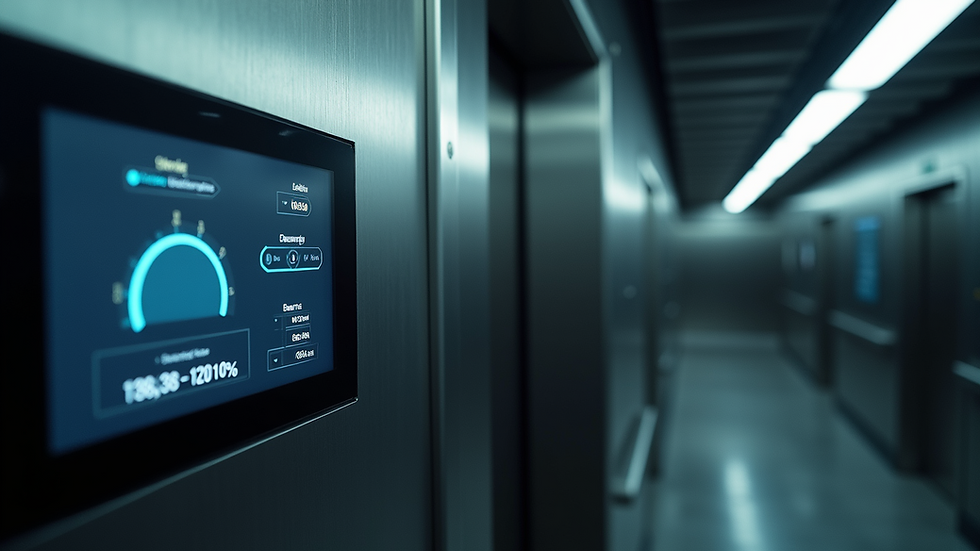
A straightforward interface is essential for building managers to easily access and interpret data. Look for solutions that offer customizable dashboards and clear visualizations.
Integration Capabilities
The ability to integrate with existing building management systems (BMS) is vital. This ensures seamless communication between different systems, enhancing overall building efficiency.
Alerts and Notifications
Automated alerts for maintenance needs or performance anomalies keep building managers informed and allow for quick responses to potential issues.
Types of Remote Monitoring Solutions
There are several types of remote monitoring solutions available for elevators, each with its unique features and benefits:
Cloud-Based Solutions
Cloud-based monitoring systems store data on remote servers, allowing for easy access from anywhere with an internet connection. These solutions often come with advanced analytics capabilities and require minimal on-site hardware.
On-Premises Solutions
On-premises systems involve installing monitoring hardware within the building. While they may offer more control over data, they often require more maintenance and can be less flexible than cloud-based options.
Hybrid Solutions
Hybrid systems combine both cloud and on-premises elements, providing the benefits of both approaches. They allow for local data processing while also leveraging cloud capabilities for advanced analytics.
Implementing Remote Monitoring Solutions
Assessing Your Needs
Before implementing a remote monitoring solution, assess your building's specific needs. Consider factors such as the number of elevators, their age, and the existing maintenance practices.
Choosing the Right Solution
Research various providers and their offerings. Look for solutions that align with your needs and budget. Request demos and read customer reviews to gauge effectiveness.
Training Staff
Once a solution is selected, ensure that staff are adequately trained to use the system. This training should cover how to interpret data, respond to alerts, and perform routine maintenance tasks.
Continuous Evaluation
After implementation, continuously evaluate the effectiveness of the monitoring solution. Regularly review performance data and adjust maintenance schedules as needed.
Case Studies: Successful Implementations
Case Study 1: High-Rise Residential Building
A high-rise residential building implemented a cloud-based remote monitoring solution for its elevators. The system provided real-time data on elevator usage and performance. Within six months, the building management reported a 30% reduction in maintenance costs due to proactive repairs and improved elevator uptime.
Case Study 2: Commercial Office Complex
A commercial office complex adopted a hybrid monitoring solution that integrated with its existing BMS. The system enabled predictive maintenance, allowing the management team to schedule repairs during off-peak hours. As a result, tenant satisfaction increased, and the building experienced fewer service interruptions.
Challenges and Considerations
While remote monitoring solutions offer numerous benefits, there are challenges to consider:
Initial Costs: The upfront investment for remote monitoring systems can be significant. However, the long-term savings often justify the expense.
Data Security: With increased connectivity comes the risk of data breaches. Ensure that the chosen solution has robust security measures in place.
Technology Adoption: Some staff may be resistant to adopting new technologies. Providing adequate training and demonstrating the benefits can help ease this transition.
Future Trends in Elevator Monitoring
As technology continues to evolve, several trends are shaping the future of elevator monitoring:
AI and Machine Learning: These technologies will enhance predictive analytics, allowing for even more accurate forecasts of maintenance needs.
Mobile Access: Increasingly, building managers will be able to access monitoring data via mobile apps, providing greater flexibility and responsiveness.
Integration with Smart Buildings: As buildings become smarter, elevator monitoring systems will increasingly integrate with other building systems, creating a more cohesive management approach.
Conclusion
Reliable remote monitoring solutions for elevators are transforming how building managers oversee these essential systems. By adopting these technologies, facilities can enhance safety, reduce costs, and improve user experiences. As the industry continues to evolve, staying informed about the latest trends and technologies will be crucial for effective elevator management.
Consider implementing a remote monitoring solution today to ensure your elevators operate smoothly and efficiently, ultimately benefiting both building management and occupants alike.


Comments